
-
By mansha
-
August 6, 2026
- 0 Comment
Sustainable Infrastructure: The Future of Construction
Introduction
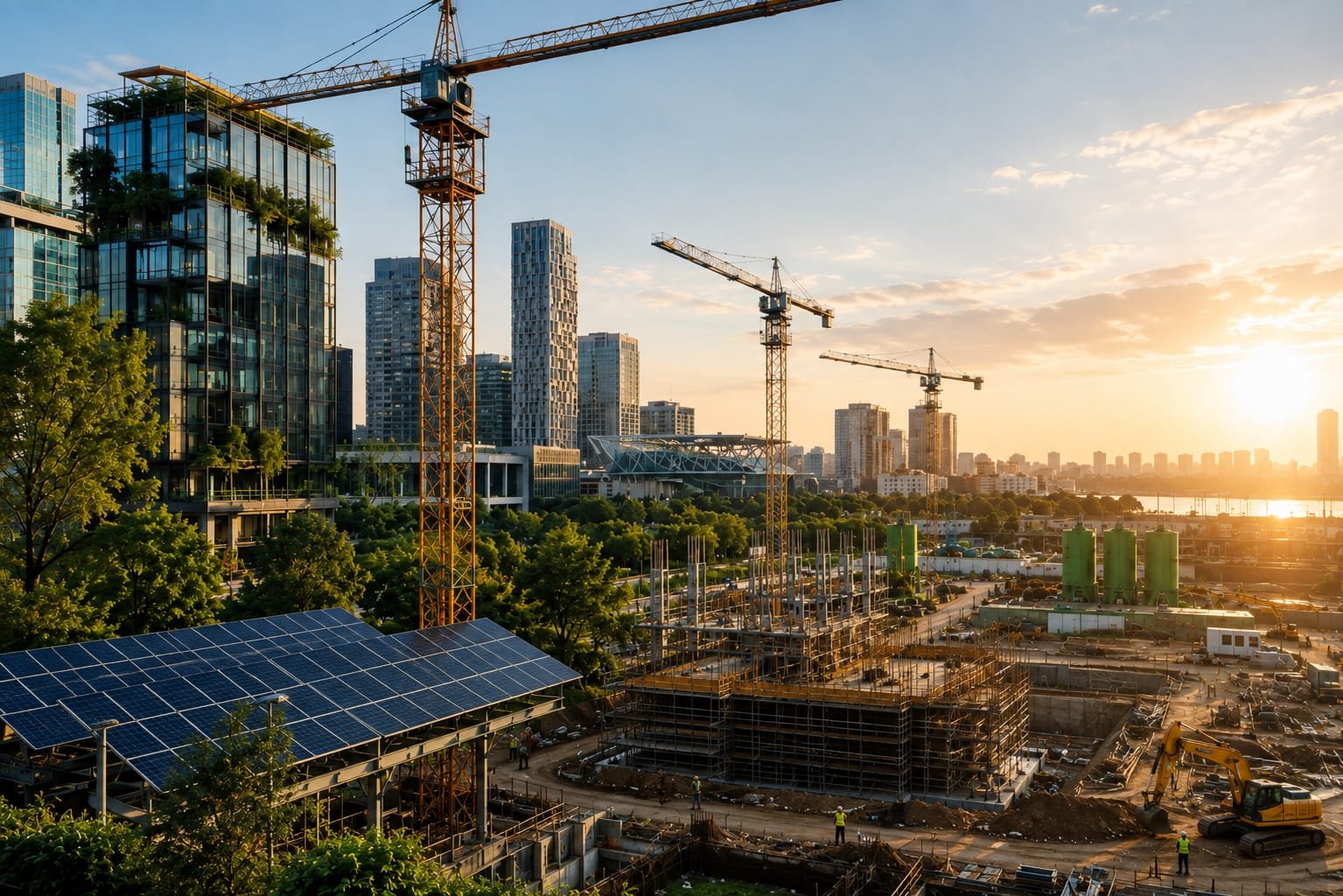
Sustainable infrastructure is becoming an essential part of the future of construction as industries focus on reducing environmental impact while creating efficient, durable, and resilient structures. From energy-efficient buildings and renewable energy systems to eco-friendly materials and smarter construction practices, sustainability is transforming the way infrastructure projects are planned and delivered. By combining innovative technology, responsible resource management, and environmentally conscious design, sustainable construction can help reduce carbon emissions, minimize waste, conserve natural resources, and create long-term value for communities and businesses.
Why Sustainable Infrastructure Matters
Sustainable infrastructure focuses on developing buildings, roads, transportation systems, energy facilities, and other essential structures in a way that balances economic growth with environmental responsibility. As cities continue to expand and demand for infrastructure increases, traditional construction methods can place significant pressure on natural resources and the environment.
Sustainable construction aims to address these challenges by using resources more efficiently, reducing waste, improving energy performance, and creating infrastructure that can remain functional and resilient for many years.
Key Benefits of Sustainable Infrastructure
- Reduced environmental impact through lower emissions and responsible resource use
- Energy efficiency by adopting efficient systems and renewable energy solutions
- Lower construction waste through better planning and material management
- Long-term cost savings through efficient operation and maintenance
- Improved resilience against climate-related and environmental challenges
- Better quality of life by creating healthier and more efficient spaces for communities
Sustainable Materials in Modern Construction
The choice of construction materials plays a major role in building sustainable infrastructure. Traditional materials can require significant amounts of energy and natural resources during production, transportation, and installation. Sustainable construction focuses on selecting materials that have a lower environmental impact while still providing the strength, durability, and performance required for modern infrastructure.
Recycled, renewable, locally sourced, and energy-efficient materials are increasingly being used to reduce waste and conserve natural resources. When material selection is combined with efficient design and responsible construction practices, projects can achieve better environmental performance without compromising quality.
Choosing Materials for Long-Term Performance
Type your Paragrap Sustainability is not only about selecting environmentally friendly materials. Materials should also be durable, safe, easy to maintain, and suitable for the project’s location and purpose. Choosing high-quality materials that last longer can reduce the need for frequent repairs and replacements, helping lower the project’s overall environmental impact.h here
Conclusion
Sustainable infrastructure represents an important shift toward a more responsible and future-ready approach to construction. By focusing on sustainable materials, energy efficiency, renewable energy, efficient resource management, and innovative construction practices, projects can reduce their environmental impact while delivering long-term value.
As cities and communities continue to grow, sustainable infrastructure will play an increasingly important role in creating resilient, efficient, and environmentally responsible spaces. Adopting sustainable practices today can help the construction industry build a stronger and more sustainable future for generations to come.